

Tanzania is one of the few countries where a single trip can combine open savanna, volcanic highlands, remote bush, chimpanzee forests, and a tropical coastline. For travelers who want more than a standard game-drive holiday, a Tanzania adventure safari offers walking through wild country, paddling past hippos, climbing Africa’s highest mountain, and tracking primates in mountain rainforest, all within a single itinerary.
This guide explores what an adventure safari in Tanzania involves, the best regions and activities, how to time your trip, and how to prepare so you can travel confidently.
What Makes a Tanzania Adventure Safari Different?
A conventional safari focuses on wildlife viewing from a vehicle. An adventure safari keeps that foundation but adds physical, immersive, and off-the-beaten-path experiences. You might still enjoy a dawn game drive, but you may also hike through a crater rim, camp in a remote wilderness, or cross a lake by traditional boat.
Tanzania suits this style for several reasons:
- Scale and variety. The country holds some of Africa’s largest protected areas, with landscapes ranging from grasslands to alpine peaks.
- Low-density wilderness. Remote parks in the south and west receive far fewer visitors than the famous northern circuit.
- Diverse activities. Walking, boating, trekking, cycling, and cultural journeys are all possible.
- Strong guiding tradition. Experienced guides lead safe, informative excursions in demanding terrain.
Core Destinations for Adventure Travelers
The Northern Circuit
The northern parks are the classic starting point and remain essential, even for adventure-minded visitors.
Serengeti National Park. Famous for the Great Migration and large predator populations, the Serengeti also offers hot air balloon flights and, in selected areas, guided walks. Its remote northern region provides a quieter, wilder feel.
Ngorongoro Crater. A collapsed volcanic caldera with dense wildlife and dramatic scenery. The surrounding highlands offer hiking opportunities, including routes toward the crater rim and volcanic peaks.
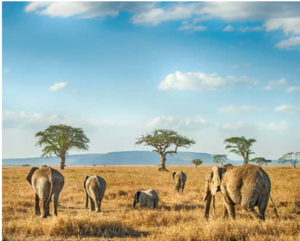
Tarangire National Park. Known for large elephant herds and ancient baobab trees, especially in the dry season. It is an excellent place for relaxed, photogenic wildlife viewing and, at some camps, walking excursions.
Lake Manyara National Park. A compact park with a soaring escarpment, lakeshore birdlife, and forest habitats. Some visitors add cycling or canoe excursions in the surrounding area.
Mount Kilimanjaro and Mount Meru
For those who want a physical challenge, Kilimanjaro rises to 5,895 meters and is the highest mountain in Africa. Several routes lead to the summit, varying in length, difficulty, and scenery. Trekkers need proper acclimatization, quality gear, and a reputable operator, since altitude affects everyone differently.
Mount Meru, at roughly 4,562 meters, is a shorter and less crowded option. It is often used as a warm-up climb, and the route passes through forest and offers views of Kilimanjaro on clear days.
Southern Tanzania: Nyerere and Ruaha
The south offers a more remote, less crowded experience.
Nyerere National Park. Formerly the northern part of the Selous Game Reserve, it is known for boat safaris on the Rufiji River, where hippos, crocodiles, and birdlife are abundant. Walking safaris and fly camping are also available, putting you close to the wilderness.
Ruaha National Park. A rugged, semi-arid landscape of baobabs and rocky hills, valued for its large elephant and lion populations and for species such as greater kudu. It is a favorite among travelers who want fewer vehicles and a wilder atmosphere.
Western Tanzania: Chimpanzees and Remote Wilderness
For true adventure, the west is hard to beat.
Mahale Mountains National Park. On the shore of Lake Tanganyika, Mahale offers chimpanzee trekking through forested slopes. Access is by light aircraft and boat, and the experience is intimate and remote.
Katavi National Park. One of Tanzania’s most remote parks, Katavi is known for large concentrations of hippos and buffalo, particularly in the dry season, and for its sense of solitude.
Coast and Islands
Many adventure itineraries finish on the Indian Ocean coast. Zanzibar and nearby islands offer snorkeling, diving, sailing, and historic Stone Town, providing a restful contrast after days in the bush.
Signature Adventure Activities
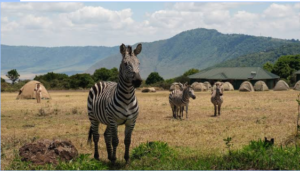
- Walking safaris: Led by trained guides, these emphasize tracking, plants, insects, and the intricate details of the bush. They are available in selected parks and areas, and safety briefings are essential.
- Boat and canoe safaris: Gliding along rivers and lakes brings a different perspective, with close views of hippos, crocodiles, and waterbirds.
- Fly camping: Sleeping in simple tents in remote locations, often under open skies, for an immersive wilderness experience.
- Mountain trekking: From multi-day Kilimanjaro climbs to shorter hikes on Mount Meru or in the Ngorongoro highlands.
- Primate trekking: Following chimpanzee groups in the Mahale forests, led by experienced trackers.
- Hot air ballooning: Floating above the Serengeti plains at sunrise.
- Cultural experiences: Visits to Maasai and other communities, ideally arranged so that benefits go directly to residents.
- Cycling and village walks: Gentle outings in areas around Lake Manyara and Arusha.
Availability of activities depends on the area and on park regulations, so confirm details with your operator.
Best Time for a Tanzania Adventure Safari
The best time depends on where you plan to go and what you hope to do.
June to October (dry season). The most popular period. Wildlife concentrates near water, vegetation is thinner, and trekking conditions on Kilimanjaro are generally good. It also suits remote parks such as Ruaha and Katavi, where animals gather around remaining water.
January to February. A shorter dry period that suits Kilimanjaro treks and calving in the southern Serengeti.
March to May (long rains). Landscapes are green and lodges are cheaper and quieter, but some tracks become difficult and some camps close. This is generally the least convenient time for mountain climbing.
November to December (short rains). Intermittent rain brings fresh green scenery and good birdlife, often with fewer crowds.
Because conditions vary between regions, check seasonal advice for each destination you plan to visit.
Sample Adventure Itinerary Ideas
These outlines show how different elements can combine. Durations are approximate.
- Classic plus trek (about 12 days): Arusha, Tarangire, Ngorongoro, Serengeti, then a Mount Meru or Kilimanjaro trek.
- Wild south and coast (about 10 days): Nyerere with boat and walking safaris, Ruaha for big cats and elephants, then a beach stay on Zanzibar.
- Primates and wilderness (about 10 days): Katavi for remote game viewing, Mahale for chimpanzee trekking, finishing with a short northern circuit extension.
- Active family adventure (about 8 days): Lake Manyara cycling, Ngorongoro, Serengeti game drives, and a coastal rest, adjusted for the ages of the children.
Distances between regions are large, so internal flights are commonly used to save time.
Getting Around Tanzania
Most international visitors arrive at Kilimanjaro International Airport near Arusha, or at Julius Nyerere International Airport in Dar es Salaam. From there, road transfers connect the northern parks, while light aircraft link remote destinations in the south and west. Domestic flights save many hours but impose luggage limits, usually requiring soft bags. Roads can be rough, especially in the rainy season, so build in buffer time.
Costs and What to Budget For
An adventure safari can be tailored to many budgets, but remote logistics often raise costs. The main factors are accommodation type, season, internal flights, park and concession fees, and the length of mountain treks. Remote parks can be pricier because of aircraft transfers and smaller camps. Request itemized quotes, verify what is included, and confirm current fees, since pricing and regulations change.
Safety, Health, and Preparation
Adventure travel rewards preparation.
- Choose a licensed operator with trained guides, safety protocols, and well-maintained equipment.
- Consult a travel clinic about vaccinations, malaria prevention, and entry requirements well before departure.
- Prepare physically for treks and walks, and allow time to acclimatize for high-altitude climbs.
- Pack appropriately: Layers, sturdy broken-in boots, sun protection, a hat, insect repellent, binoculars, and a good camera.
- Take insurance covering medical care, evacuation, and any high-altitude activity.
- Follow guide instructions at all times, especially around wildlife and in remote areas.
Travelling Responsibly
Tourism supports conservation, ranger patrols, and local communities, but impact depends on choices. Prefer camps with solar power, waste reduction, and local employment, and operators who respect park rules and keep group sizes small. Keep distance from wildlife, never feed animals, and follow the principle of leaving no trace in remote areas.
Conclusion
A Tanzania adventure safari lets you experience a country in its full range: golden savanna, snow-capped summits, wild rivers, and misty chimpanzee forests. The best trips start with a clear sense of what excites you, then blend regions and activities into a realistic, well-paced itinerary. Choose your season carefully, prepare physically, book with a trusted operator, and give yourself enough time in each place. Do that, and Tanzania will deliver far more than sightings. It will deliver stories.
Key Takeaways
- A Tanzania adventure safari adds walking, boating, trekking, and remote camping to traditional game viewing.
- Northern parks offer classic wildlife, while the south and west provide quieter, wilder experiences.
- Kilimanjaro and Mount Meru add mountain adventure; Mahale offers chimpanzee trekking.
- The dry season from June to October is the most popular, but other months have unique advantages.
- Internal flights save time in a large country but come with luggage limits.
- Prepare for health, fitness, and altitude, and always carry proper insurance.
- Choose licensed, responsible operators and confirm costs and inclusions in writing.
Frequently Asked Questions
What is a Tanzania adventure safari?
It is a safari that combines wildlife viewing with active or remote experiences such as walking, boating, mountain trekking, fly camping, or primate tracking.
When is the best time for an adventure safari in Tanzania?
June to October is the most popular time, with excellent wildlife viewing and good trekking conditions. Other months suit specific goals, such as calving season in early year or quieter green-season travel.
Can I combine a safari with climbing Kilimanjaro?
Yes. Many travelers climb Kilimanjaro first and then relax on safari, or the reverse. Allow rest days between and check seasonal conditions for the mountain.
Are walking safaris safe?
When led by trained, armed guides in permitted areas, they are generally safe. Follow instructions closely, listen to safety briefings, and choose reputable operators.
Which parks are best for fewer crowds?
Ruaha, Nyerere, Katavi, and Mahale are far less visited than the northern circuit, offering a more remote and wild experience.
How many days do I need?
Seven to ten days works for a focused trip, while twelve to fourteen days allows a combination of regions or a trek plus safari.
Do I need vaccinations or malaria precautions?
Requirements can change and malaria is present in much of Tanzania. Consult a travel health professional well before departure and confirm current entry rules.