

The African continent whispers promises of adventure, mystery, and raw natural beauty that few places on Earth can rival. At the heart of this wild tapestry lies Tanzania, a nation that has perfected the art of the safari experience. A Tanzania safari tour offers more than mere wildlife observation—it provides a portal into ecosystems where nature’s ancient dramas continue to unfold with breathtaking intensity, where predators and prey engage in timeless dances of survival, and where landscapes stretch to horizons that seem to touch infinity itself.
The Tanzanian Safari Advantage
Tanzania’s position as the premier safari destination in Africa is no accident but rather the result of deliberate conservation policies, exceptional biodiversity, and geographical advantages that converge to create unmatched wildlife experiences. The nation has committed over 38% of its territory to conservation through an intricate network of national parks, game reserves, conservation areas, and protected forests, representing one of the highest conservation ratios globally.
This extensive protection has yielded remarkable results. Tanzania harbors the largest lion population on the African continent, with estimates suggesting over 14,000 individuals roaming its protected areas. The elephant population has stabilized and grown in recent years due to intensive anti-poaching efforts, now numbering in the tens of thousands. The country also supports the world’s largest population of wildebeest, whose annual migration creates the most magnificent wildlife spectacle on the planet.
The diversity of Tanzania’s landscapes creates multiple distinct safari experiences within a single journey. From the volcanic highlands of the Crater Highlands to the acacia-studded plains of the Serengeti, from the palm-fringed shores of Lake Tanganyika to the montane forests of the Eastern Arc Mountains, Tanzania encompasses virtually every African ecosystem. This geographical variety ensures that Tanzania safari tour participants encounter different wildlife communities, vegetation types, and environmental conditions, creating rich, multifaceted experiences that prevent monotony despite extended stays.
Serengeti National Park: The Crown Jewel
The Serengeti stands as Tanzania’s most celebrated national park, and for compelling reasons. This UNESCO World Heritage Site encompasses 14,750 square kilometers of protected wilderness, though the greater Serengeti ecosystem extends to approximately 30,000 square kilometers when including adjacent conservation areas and Kenya’s Masai Mara National Reserve.
The park’s claim to fame rests primarily on hosting the Great Migration, an annual movement of approximately two million wildebeest, 500,000 Thomson’s gazelles, and 200,000 zebras traversing the landscape in search of fresh grazing and water. This perpetual circular journey follows seasonal rainfall patterns, with different regions of the Serengeti experiencing peak migration activity during specific months throughout the year.
Understanding the migration timeline enhances Tanzania safari tour planning significantly. From late December through March, the herds concentrate on the southeastern short-grass plains, where nutrient-rich volcanic soils support grasses ideal for calving. During this period, approximately half a million wildebeest calves are born within a concentrated three-week window, creating overwhelming abundance that attracts every predator species in the region. Lions, cheetahs, leopards, hyenas, and wild dogs capitalize on vulnerable newborns, creating dramatic hunting scenes that unfold across the plains.
As April arrives, bringing the long rains, the herds begin their gradual northward movement. By May and June, the migration typically reaches the western corridor, where the Grumeti River presents the first significant water obstacle. Large Nile crocodiles, some measuring over five meters and weighing 700 kilograms, await the herds in pools along the river. These Grumeti crossings, while less famous than the Mara River crossings, offer equally dramatic wildlife encounters with considerably fewer tourist vehicles competing for viewing positions.
July through October marks the northern Serengeti period when the herds must face the formidable Mara River. The river’s steep banks, swift currents, and dense populations of massive crocodiles create deadly gauntlets that result in significant casualties. However, the instinct to reach the greener pastures beyond drives the herds forward, creating some of nature’s most powerful and emotional wildlife scenes. Watching thousands of wildebeest massing on riverbanks, individuals plunging into the waters, and the chaos of mass crossings provides Tanzania safari tour highlights that participants remember for lifetimes.
Beyond migration spectacles, the Serengeti supports exceptional resident wildlife populations. The Seronera Valley, with its permanent water courses and diverse habitats, maintains some of Africa’s highest predator densities. Lion prides numbering 20 or more individuals control territories along the rivers, while leopards haunt the riverine forests and rocky kopjes. Cheetahs prefer the open plains where their extraordinary speed provides hunting advantages in treeless environments.
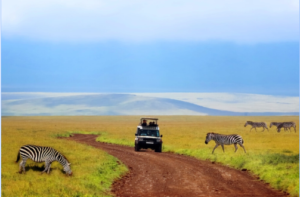
Ngorongoro Conservation Area: A Natural Wonder
The Ngorongoro Conservation Area represents a pioneering conservation model that permits sustainable human habitation alongside wildlife protection. Maasai pastoralists graze their livestock within the conservation area, demonstrating that traditional communities and wildlife can coexist when proper management frameworks are implemented.
The Ngorongoro Crater forms the conservation area’s centerpiece—a massive volcanic caldera created when an ancient volcano collapsed approximately three million years ago. The crater measures 19 kilometers across and descends 610 meters from rim to crater floor, creating a natural enclosure that functions as a wildlife sanctuary of unparalleled concentration.
The crater’s unique characteristics create permanent resident populations of approximately 25,000-30,000 large mammals. The steep crater walls discourage animal movements in and out, while permanent water sources, varied vegetation zones, and favorable microclimates sustain wildlife year-round. This creates what many describe as Africa’s “Garden of Eden”—a self-contained ecosystem where virtually every East African wildlife species can be observed within a few hours.
For Tanzania safari tour participants, the Ngorongoro Crater provides exceptional opportunities to observe critically endangered black rhinoceros. The crater supports one of Tanzania’s most stable black rhino populations, with 30-40 individuals inhabiting the crater floor. Unlike other locations requiring extensive searching and considerable luck for rhino sightings, Ngorongoro offers reasonably reliable encounters, often allowing visitors to complete their “Big Five” observations in a single morning game drive.
The crater floor’s ecological diversity creates distinct zones supporting specialized wildlife communities. The eastern short-grass plains host zebras, wildebeest, and gazelles, while the western Lerai Forest provides refuge for elephants, particularly impressive old bulls. Lake Magadi’s alkaline waters attract massive flamingo flocks that transform the shoreline into undulating pink carpets. The Gorigor Swamp supports hippos, while the Mandusi Swamp hosts elephants and buffalo seeking lush vegetation and water.
Tarangire National Park: Elephant Haven
Tarangire National Park occupies a special position in Tanzania’s safari circuit, offering exceptional wildlife viewing with significantly fewer tourists than the Serengeti or Ngorongoro. The park extends across 2,850 square kilometers, with the Tarangire River providing the lifeline that attracts massive wildlife concentrations during the dry season from June through October.
During these crucial months, Tarangire transforms into elephant paradise, with populations swelling to over 3,000 individuals as family groups migrate from surrounding areas to access the river’s reliable water. These elephant concentrations rank among Africa’s largest, providing unparalleled opportunities to observe complex social behaviors, family dynamics, and the remarkable intelligence that defines elephant societies.
The park’s landscape features ancient baobab trees that create iconic African scenes beloved by photographers. These remarkable trees, with their massive trunks and relatively small branches, can live for millennia. Some Tarangire baobabs exceed 2,000 years in age, having witnessed the rise and fall of empires while providing sustenance to countless generations of wildlife. During dry seasons, elephants strip baobab bark and dig for moisture within the trees’ fibrous interiors, demonstrating the intricate relationships between flora and fauna.
Beyond elephants, Tarangire offers Tanzania safari tour participants opportunities to observe species uncommon in other northern circuit parks. Fringe-eared oryx, with their distinctive long straight horns and striking facial markings, inhabit the park’s drier regions. Lesser kudu, more shy than their greater kudu cousins, browse in thickets. Gerenuk, with their extraordinarily long necks enabling them to reach high vegetation, demonstrate unique adaptations to arid environments.
The park’s avian diversity exceeds 550 recorded species, making Tarangire a birding paradise. Endemic species including yellow-collared lovebirds and ashy starlings attract dedicated birders, while common species like lilac-breasted rollers and superb starlings provide constant visual delights with their brilliant plumage.
Lake Manyara National Park: Diversity in Miniature
Lake Manyara National Park demonstrates that exceptional safari experiences don’t require vast territories. This compact park occupies just 330 square kilometers, with the alkaline Lake Manyara itself covering two-thirds of the total area during wet seasons. Despite its modest size, Manyara packs remarkable ecological diversity into its narrow strip between the Great Rift Valley escarpment and the lake shore.
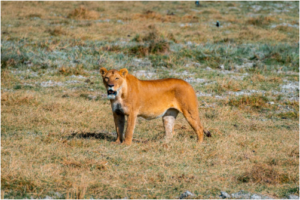
The park’s primary claim to fame rests on its tree-climbing lions, which regularly ascend into acacia and sausage trees—a behavior rarely exhibited by lion populations elsewhere. Various theories attempt to explain this unusual habit, from escaping biting insects and ground heat to gaining elevated vantage points for spotting prey or simply seeking comfortable resting places in tree branches. Whatever the reason, observing lions lounging on tree branches creates surreal photographic opportunities that challenge conventional lion imagery.
The park’s diverse habitats support remarkable species diversity within the compact area. The groundwater forest near the entrance provides cool, shaded environments where baboon troops swing through trees and blue monkeys leap between branches. Elephants favor the forest’s dense vegetation, while shy bushbucks emerge from undergrowth during quiet hours.
The alkaline lake attracts enormous waterbird populations, with flamingos being the most spectacular. During peak periods, hundreds of thousands of flamingos filter-feed on microscopic organisms in the shallow waters, creating pink horizons that shift and flow like living clouds. Pelicans, storks, cormorants, herons, and countless other waterbirds utilize the lake’s resources, making Lake Manyara an ornithological hotspot.
Choosing Your Tanzania Safari Tour Format
Modern Tanzania safari tour accommodate diverse preferences, budgets, and travel philosophies through various formats, each offering distinct advantages and experiences.
Luxury lodge safaris provide ultimate comfort with permanent structures featuring spacious suites, private terraces, infinity pools, spa facilities, air conditioning, and gourmet dining. These properties occupy prime locations offering spectacular views and wildlife access. Staff-to-guest ratios often exceed one-to-one, ensuring personalized attention and exceptional service. Evening returns to luxury lodges create pleasant contrasts between adventurous days and refined evenings with fine dining, quality wines, and comfortable beds.
Tented safari camps offer middle-ground options combining authentic bush experiences with substantial comfort. Large canvas tents on permanent platforms feature en-suite bathrooms with hot showers, comfortable beds, electricity, and often private verandas. The canvas construction allows bush sounds to permeate while providing protection and comfort. Many travelers consider tented camps the optimal balance between authenticity and comfort, delivering genuine safari ambiance without sacrificing restful sleep or pleasant facilities.
Mobile camping safaris emphasize adventure and wildlife access over accommodation luxury. Professional crews transport all equipment, establish camps in prime locations, prepare meals, and manage logistics while guests focus entirely on wildlife experiences. These camps move multiple times throughout safaris, following wildlife movements and positioning camps for optimal game viewing. Accommodations are comfortable though simplified, with walk-in tents, camp beds, and bush showers providing functional facilities in remote locations.
Budget camping safaris democratize access to Tanzania safari tours, making these experiences affordable for budget-conscious travelers and backpackers. While accommodations are basic and guests often participate in camp setup and meal preparation, these safaris provide identical national park access and wildlife viewing opportunities as luxury alternatives. The wildlife experiences remain identical—lions don’t differentiate between vehicle types or accommodation standards.
Strategic Timing for Optimal Experiences
Tanzania offers viable safari experiences year-round, though different seasons provide distinct advantages, challenges, and wildlife phenomena. Strategic timing aligned with personal priorities significantly impacts overall satisfaction.
The dry season from late June through October represents the conventional peak season when wildlife concentrations reach maximum density around permanent water sources. Diminishing seasonal waterholes force animals to converge on rivers and lakes, simplifying wildlife location and creating spectacular viewing opportunities. Vegetation becomes sparse, improving visibility, while weather remains generally dry with pleasant temperatures. This period encompasses the famous Mara River crossings, attracting global attention.
However, peak season brings challenges including maximum prices, advance booking requirements, and crowded conditions at popular locations. Accommodations often reach capacity months ahead, requiring flexible planning or potential compromises.
November through December’s short rains create transitional conditions with periodic precipitation transforming landscapes into lush green environments. Wildlife remains relatively concentrated while tourist numbers decline substantially. Many animals give birth during this period, creating vulnerable young that attract predators. Accommodation prices drop significantly, delivering excellent value.
January and February offer world-class wildlife viewing, particularly in southern Serengeti where migration calving season creates extraordinary scenes. Weather remains predominantly dry with comfortable temperatures, while tourist numbers stay moderate despite excellent conditions.
March through May’s long rains represent a low season with minimal tourists, lowest prices, and occasional access challenges. However, dramatic landscapes, exceptional birding, and intimate wildlife encounters reward flexible travelers embracing periodic wet conditions.
Practical Planning Essentials
Successful Tanzania safari tours require addressing multiple practical elements well before departure.
Most international travelers arrive through Kilimanjaro International Airport near Arusha or Julius Nyerere International Airport in Dar es Salaam. Many safaris incorporate light aircraft flights between parks, reducing travel time while providing aerial perspectives.
Visa requirements vary by nationality, with most visitors requiring tourist visas obtainable on arrival or through e-visa systems. Passports must remain valid six months beyond departure with adequate blank pages.
Health preparations include yellow fever vaccination certificates (mandatory from endemic countries), malaria prophylaxis for safari regions, and current routine vaccinations. Consultations with travel medicine specialists ideally occur 6-8 weeks before departure.
Comprehensive travel insurance covering medical treatment, emergency evacuation, trip cancellation, and baggage loss provides essential protection for remote safari environments where evacuation costs can exceed $50,000.
Conclusion
A Tanzania safari tour transcends conventional tourism, offering transformative journeys into ecosystems where nature’s fundamental processes continue with remarkable intensity. The privilege of witnessing lions executing coordinated hunts, observing elephant families navigating complex social interactions, and experiencing the thunderous power of migration herds crossing rivers instills profound appreciation for Earth’s remaining wild places.
Tanzania’s extraordinary commitment to conservation, combined with exceptional biodiversity and well-developed infrastructure, ensures that these experiences remain accessible across all budget ranges. Whether investing in luxury accommodations or choosing budget camping adventures, the core wildlife experiences remain equally powerful and memorable.
The memories forged during Tanzania safari tours—sunrise game drives revealing predators returning from nocturnal hunts, midday observations of elephant families socializing at waterholes, sunset vistas with silhouetted acacia trees—become treasured possessions that appreciate over time. These experiences often fundamentally transform how participants perceive conservation, wildlife, and humanity’s relationship with nature.
By selecting responsible operators, respecting wildlife and habitats, and supporting conservation-oriented accommodations, your Tanzania safari tour contributes meaningfully to protecting these irreplaceable ecosystems. Tourism revenue funds anti-poaching operations, habitat protection, and community development programs that ensure Tanzania’s wild heritage endures for future generations.
Key Takeaways
- Tanzania commits over 38% of its territory to conservation, creating one of Africa’s most extensive protected area networks
- The Great Migration involves approximately 2 million animals following a year-round circular pattern with distinct phases throughout the year
- Ngorongoro Crater concentrates 25,000-30,000 animals within a volcanic caldera, offering Africa’s highest wildlife densities
- Tarangire hosts elephant populations exceeding 3,000 during dry season, ranking among Africa’s largest concentrations
- Lake Manyara’s tree-climbing lions exhibit rare behaviors creating unique photographic opportunities
- Safari options span luxury lodges to budget camping, ensuring accessibility across all budget ranges without compromising wildlife viewing
- Seasonal timing dramatically impacts experiences, with dry season offering concentrated wildlife and wet season providing lush landscapes and lower costs
- Comprehensive planning including visas, health preparations, and proper insurance ensures safe, smooth experiences
- Responsible tourism directly funds conservation programs, anti-poaching efforts, and community development initiatives
- Tanzania safari tours create transformative experiences fostering lifelong connections with nature and conservation awareness
Frequently Asked Questions
What is the ideal duration for a Tanzania safari tour?
The optimal Tanzania safari tour duration depends on personal goals, available time, and budget. A minimum of five to six days allows visiting two to three parks with adequate time for wildlife viewing in each location. Seven to ten days represents the sweet spot for most travelers, providing comprehensive northern circuit coverage including Serengeti, Ngorongoro, and Tarangire without feeling rushed. Extended safaris of twelve to fourteen days permit deeper exploration with time for lesser-visited parks like Lake Manyara or Arusha National Park, plus potential beach extensions to Zanzibar. Remember that quality exceeds quantity—spending adequate time in fewer parks delivers more rewarding experiences than superficially rushing through many locations.
When is the absolute best time for Tanzania safari tours?
No single “best” time exists as optimal timing depends on personal priorities and interests. July through October delivers peak dry season conditions with concentrated wildlife, optimal weather, and spectacular Mara River crossings, though prices peak and crowds maximize. January through February offers exceptional value with migration calving season in southern Serengeti, good weather, and moderate crowds. November and December provide excellent wildlife viewing with dramatically reduced tourist numbers and lower prices. March through May offers the lowest prices and emptiest parks with lush landscapes, though occasional rain affects road conditions. Each period provides unique advantages—the “best” time aligns with your specific priorities regarding wildlife events, weather preferences, budget considerations, and crowd tolerance.
Are Tanzania safari tours safe for families with children?
Tanzania safari tours accommodate families excellently, with many operators specializing in family-friendly experiences. Age restrictions vary by accommodation and activity type—most lodges welcome children of all ages, providing family rooms and child-appropriate menus. Some exclusive properties maintain minimum age requirements, typically 8-12 years, to preserve tranquil atmospheres. Game drives captivate children, though younger kids may have shorter attention spans requiring flexible scheduling. Private vehicles allow families to adjust pacing, take breaks, and accommodate children’s needs without impacting other guests. Many camps offer specialized children’s programs including nature walks, cultural visits, and educational activities. Safety remains paramount with professional guides understanding family dynamics and ensuring age-appropriate experiences. Families commonly create lifelong memories through shared safari adventures.
How physically demanding are Tanzania safari tours?
Tanzania safari tours generally require minimal physical fitness, as most activities involve vehicle-based game drives where participants remain seated observing wildlife. Walking is typically limited to short distances between vehicles and accommodations. However, physical demands vary depending on chosen activities and accommodation types. Luxury lodges require virtually no physical exertion, while budget camping safaris may involve setting up tents and sleeping on the ground. Optional activities like walking safaris, crater rim hikes, or climbing Mount Kilimanjaro obviously require good fitness levels. Most standard safari itineraries suit travelers with average fitness, including seniors and those with limited mobility. Discuss any physical limitations with operators during planning to ensure appropriate accommodation and activity selections.
What should I expect regarding food on safari?
Tanzania safari tour meals vary dramatically based on accommodation level but generally exceed expectations across all categories. Luxury lodges offer gourmet multi-course dinners with extensive wine lists, international cuisine, and chef-prepared meals rivaling fine restaurants. Tented camps provide excellent buffet or à la carte dining with quality ingredients and varied menus. Even budget camping safaris typically feature surprisingly good meals prepared by camp cooks, though menus are simpler. Most accommodations accommodate dietary restrictions including vegetarian, vegan, gluten-free, and religious requirements when notified in advance. Bush breakfasts and sundowner snacks during game drives add special touches to safari dining experiences. Food safety standards are generally high at established accommodations, though bringing basic medications for occasional stomach upset provides peace of mind.
Can I use my mobile phone during Tanzania safari tours?
Mobile phone connectivity varies significantly depending on location and service provider. Major towns like Arusha and Moshi have excellent coverage, while national parks experience spotty or non-existent signals. Some luxury lodges and camps provide Wi-Fi in common areas, though connections are often slow and unreliable given remote locations. Many travelers appreciate the digital detox safari environments naturally provide, allowing full immersion in wildlife experiences without electronic distractions. If connectivity is essential, consider purchasing local SIM cards from providers like Vodacom or Airtel offering better coverage than international roaming. However, embrace the disconnection opportunity—safari experiences deserve undivided attention, and constant connectivity undermines the authentic bush experience many seek.
What wildlife photography equipment do I need for optimal results?
Photography equipment requirements depend on skill level, existing gear, and serious you are about wildlife photography. Enthusiasts achieve excellent results with basic DSLR or mirrorless cameras paired with versatile zoom lenses in the 100-400mm range providing adequate reach for most wildlife situations. Image stabilization helps counter vehicle vibrations. Beginners often find 70-300mm lenses sufficient and more affordable. Serious photographers may prefer 150-600mm or even 800mm lenses for frame-filling images, though these require significant investment and physical carrying capacity. Modern smartphones with telephoto capabilities produce surprisingly good images in favorable lighting. Regardless of equipment, bring multiple memory cards, spare batteries, protective camera bags for dust, and cleaning supplies. Early morning and late afternoon light dramatically improves images regardless of equipment quality. Many guides provide photography advice and position vehicles optimally for shots.